
By newarkdelawareproperties 01/17/2026
Interest rates significantly impact homebuyers in Newark by influencing monthly mortgage payments and overall affordability. Fluctuating rates can affect your purchasing power and the total cost of your home over time. Understanding these changes is crucial for making informed decisions, whether you’re buying your first home or upgrading. Knowing how to navigate interest rate shifts can save you money in the long run.
How Interest Rate Fluctuations Affect Homebuyers and the Real Estate Market

If you are one of the first time home-buyers in Newark or perhaps a seasoned property entrepreneur looking for a new Newark home for purchase, interest rates play a significant role in your decision-making process.
When interest rates increase, you will have to pay more for mortgage payments. A slight increase by up to 1% will make a big difference in your mortgage payments. For example, if you’re borrowing a larger amount, a rate hike can make an affordable home harder to budget for. The higher the rates, the lower the amount you can acquire through a mortgage. This will mean you will have limited choices when it comes to acquiring a home in a certain location in Newark.
As rates climb, some prospective buyers may hesitate and decide to wait for a better time to buy, reducing the overall competition in the market. For those refinancing, higher interest rates usually mean homeowners will be less eager to refinance to lower their monthly payments or alter the terms of a loan. Those with fixed-rate mortgages, on the other hand, have a cushion against these rate changes, which can prove to be a solid advantage in a rising interest rate environment.
On the other hand, if the rates go down, the amount you pay every month for your mortgage automatically goes down. This means you can save more money per month or afford a higher-priced home without needing to change your budget. Lower rates could free up extra cash for other expenses and savings. You can borrow more with a lower rate and still keep your payments affordable while affording property that was beyond your reach in Newark’s competitive market. It is an excellent time to step into the housing market.
In a historical context, low-interest rates mean there are more buyers. Although it may result in rising property prices, it could also mean you get a chance to sell your property for a better price if you plan to sell it. On your part as a homeowner, low-interest rates mean you get a chance to refinance your home.
Interest rates also impact real estate investors in a more nuanced way. When rates rise, property values may temporarily decrease, creating an opportunity to buy undervalued properties. On the other hand, when rates fall, property values tend to rise, giving investors the chance to sell for a profit or increase rental value.
Whether it is an initial home purchase or an investment in property, being up to date on how changes in rates of interest impact purchases and sales in the market gives an individual an edge over others.
How the 1/10 Rule Affects Your Home Buying Power

The 1/10 rule is a simple way to understand how interest rate changes can affect how much house you can afford. It essentially states that for every 1% that interest rates rise, your purchasing power falls 10%. Conversely, for every 1% that interest rates fall, your purchasing power increases 10%, which means you have more purchasing power to spend on a house.
Let’s discuss with an example, assume you qualify for a $500,000 home at an interest rate of 3%. Now, assume that overnight, the interest rates just went up by 1%, from 3% to 4%. Going by the 1/10 rule, your purchasing power has just been reduced by 10%. This means that you can now afford to buy just a $450,000 home, even without changing anything in your budget.
Let’s dig deeper into this. If you were able to qualify for a $500,000 mortgage at an interest rate of 3% in 2021, but if the rates jumped to 6% in 2025, your purchasing power would decrease by 30%. Simply put, your $500,000 will only be able to buy you a house worth $350,000.
In other words, a 1% change in interest rates equals a 10% decrease in what you can afford. So if the rates rise, you’ll find that you’ll be able to afford a smaller house, or you’ll just barely afford what you want by extending your budget.
Fixed-Rate vs. Adjustable-Rate Mortgages: Which Is Right for You?

When you’re looking for a mortgage to buy a house, you’ll likely be confronted with two common types: fixed-rate mortgages and adjustable-rate mortgages.
A fixed-rate loan is one in which the interest rate remains constant throughout the life of the loan. So, if you lock in a 3% rate today, you’ll be paying that same rate every month until the loan is paid. With predictable monthly payments, you’ll be able to make more reliable budgeting since the interest rate is determined according to current market conditions and the details of your loan.
By contrast, an adjustable-rate mortgage begins with a fixed rate during a preliminary period, normally 3, 5, or 7 years. Beyond this, the interest rate may fluctuate according to changes in the market. The starting rate is generally lower compared with that of a fixed-rate mortgage but tends to increase with time because of fluctuating market conditions.
When you compare different mortgage deals, you must compare the interest rates and APR of each type of mortgage you’re considering side by side. This is important so you can compare the cost of the mortgage properly, including the monthly cost.
When interest rates go up, the implications for different types of mortgages are different. Fixed-rate mortgages remain constant, while for adjustable-rate mortgages, they can become even more expensive as the market interest rate goes up. Hence, whether you would prefer a fixed-rate mortgage or an adjustable-rate mortgage would depend on your personal financial conditions and how long you will need that mortgage.
How Interest Rate Fluctuations Impact Home Sellers and What You Can Do About It
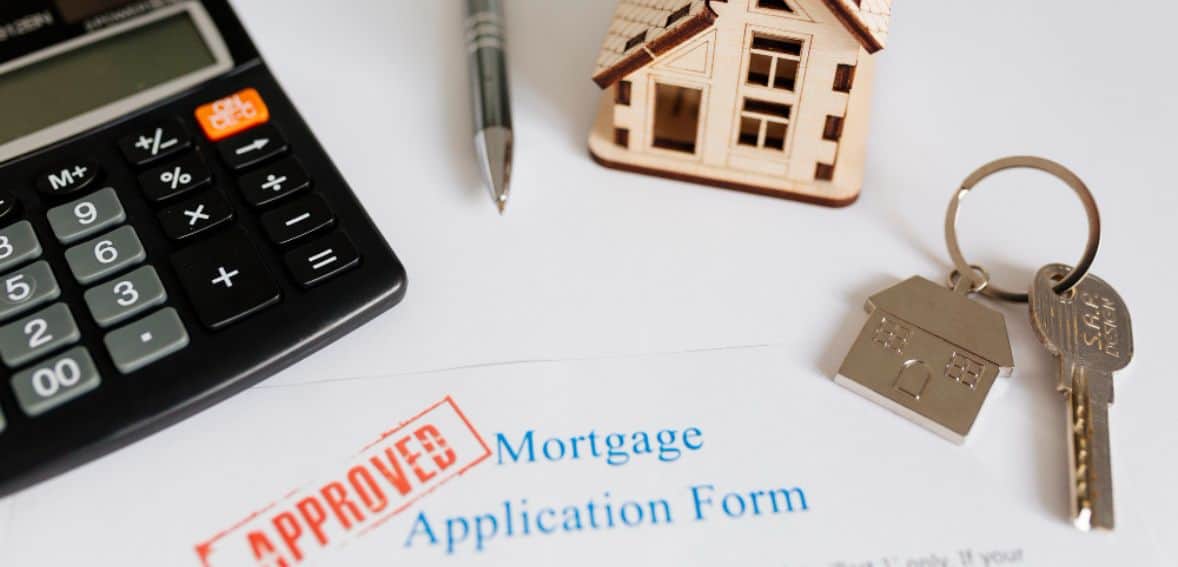
For home sellers, it’s important to understand how changes in interest rates can affect the real estate market. Everything from buyer demand to your bottom-line ability to sell at a price you want is influenced by interest rates. Let’s break down how a rise or fall in interest rates can affect you as a seller and what you can do to stay competitive in any market.
When interest rates are on the rise, it can get a little more difficult to sell. A higher rate means higher monthly mortgage payments for potential buyers, which in turn tends to lower purchasing power. In general, that means fewer prospective buyers, particularly for mid-to-higher range homes. With fewer people who can afford your property, you may have to reduce your potential price to attract new offers. If your house stays on the market for too long, you could also feel compelled to make an adjustment in your price or offer some kind of incentive, such as paying some of the buyer’s closing costs, in order to sweeten the deal.
In addition, when interest rates go high, it is likely that homes will take longer to be sold. When rates of interest for loans go high, it might mean that potential homebuyers will not opt for rushed decisions. In this type of market, it might be important to spend more on digital marketing, staging, or even make some concessions to make your home stand out. When you are selling your home during high interest rates, it is important to be patient.
On the other hand, when interest rates are low, it is not always an easy market for you to purchase a house. When interest rates are low, it means that you can afford to pay a higher price for a house, or you can decide quickly because your monthly payment is relatively low. This is because, in most cases, when interest rates are low, demand goes up, and you may find yourself in the middle of a bidding war, especially if your house is in a prime area. When interest rates are low, we see clients offer above-list prices, not require inspections, and even pay cash.
If you are selling in an area where the rates of interest are low, you should expect sales to happen faster. This happens because buyers will be interested in securing favorable rates before rates start rising; thus, you will get an offer immediately. You may use an attractive price to generate enthusiasm for your listing so that you achieve faster sales.
In the market, regardless of the prevailing market conditions, home sellers must make smart moves. First, it is important to engage the expertise of an experienced property dealer in the market, who understands the influence of the interest rate market in the region you live in.
Furthermore, knowledge of your buyers may also enable you to manage your expectations. For instance, first-time buyers and people who buy properties for cash are more vulnerable to increasing interest rates, but those who invest in properties may not be that sensitive to interest rates. You should monitor trends and projections concerning interest rates; if rates are expected to rise, it is wise to put your house on the market before that.
Practical Strategies for Managing Rising Interest Rates in Homebuying

Rising interest rates can make purchasing a property a bit harder, but there are a number of steps you can take to ensure you’re on track. Improving your credit score is one of the most reliable ways to help you receive a great interest rate on your mortgage.
First of all, pay off your debts to decrease your credit utilization ratio, then check your scores for any errors you’re eligible to contest. In addition, a slight change in your scores from 718 to 720, for example, could make you qualified for a great interest rate.
Secondly, another important tip is to increase your down payment. Putting down 20% or more not only eliminates private mortgage insurance (PMI) but also reduces your loan-to-value ratio (LTV), which could make you eligible for a better rate. Another thing you might think about is locking in your interest rate, so you’re not subject to rising interest rates while trying to buy a house.
Typically, the duration of a rate lock will last 30-60 days, although some banks do charge fees for delays and request an extension when nearing the end of the lock-in period. It is also good to consider other mortgage terms. Fixed-rate mortgages provide a fixed interest rate and payment amount over the mortgage life, while adjustable-rate mortgage (ARM) loans often carry lower introductory rates. Make sure to discuss this with your banker to work out which one will be best for your financial needs.
Finally, make sure to adjust your budget accordingly to account for potential increases in monthly payments due to rising interest rates. Using mortgage calculators to model different scenarios and setting aside an emergency savings fund can help you stay financially secure.
By adopting these steps, you can be ready for rising interest rates and carry out your plans of acquiring a mortgage for your new home.
Conclusion
The rate of interest is one of the most crucial considerations in purchasing a home in Newark, considering that it influences all payments you make to buy a house. To make appropriate decisions regarding acquiring a house in Newark, it is important to be updated on any changes in interest rates, in addition to understanding their effects on your ability to purchase a house.
FAQs
In what ways do interest rates impact people who buy homes in Newark?
Higher interest rates result in higher monthly payments, impacting purchasing power in regard to homes in Newark.
What is the best time to buy a home regarding interest rates?
Buying when interest rates are lower helps reduce long-term costs and keeps monthly payments more affordable.
How do I qualify for a low-interest rate?
Try to increase your credit score, put down more money for a down payment, and compare rates among lenders.
Should I choose a fixed or adjustable-rate mortgage?
A fixed rate provides predictability, although an adjustable rate might initially provide more favorable payments.
How do changes in interest rates affect my home loan?
The interest rate will directly impact your payments every month, which may have an effect on your eligibility to borrow money.