By newarkdelawareproperties 12/19/2025
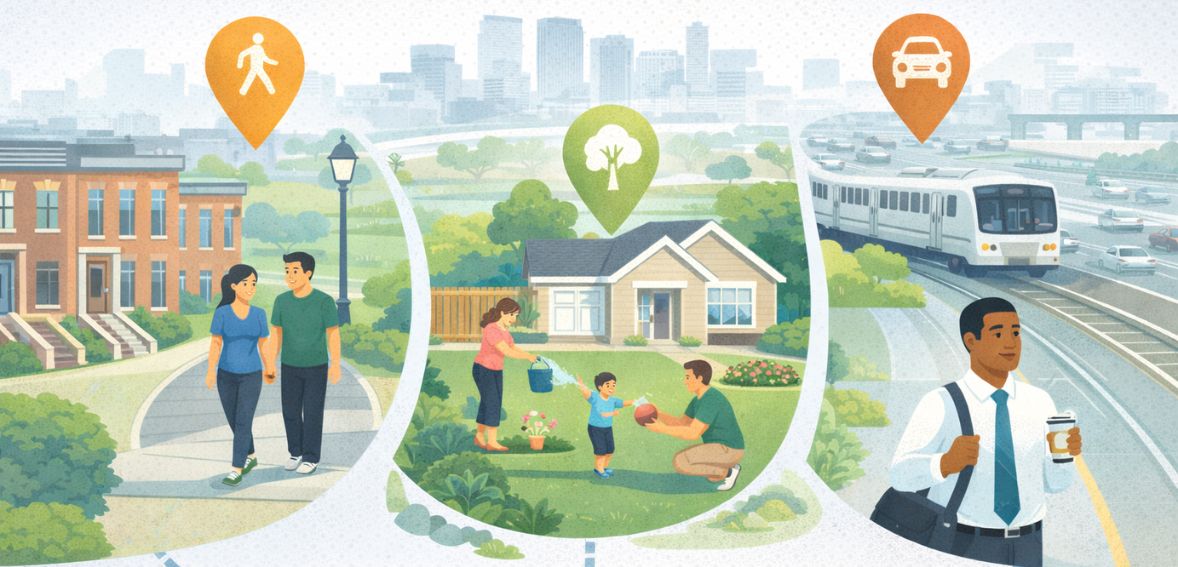
Affordability and ease of access to employment are no longer the only factors to consider while selecting a neighborhood in Newark. These days, a person’s lifestyle choices are a major factor in where they choose to live. Daily routines, stress levels, and long-term satisfaction are all impacted by walkability, yard space, and commuting efficiency.
It is possible to prioritize what matters most without leaving the city due to Newark’s abundance of local experiences inside a small city footprint. While some places prioritize seclusion, outdoor space, or easy access to work centers, others encourage an active, pedestrian-focused lifestyle.
Residents are better able to make judgments when they are aware of how each community fits with these lifestyle considerations. It is more appropriate to think of Newark as a collection of micro-communities, each built around distinct rhythms, rather than as a single urban experience of living.
Newark’s Urban Structure and Lifestyle Diversity

The historical growth of Newark as a transportation, industrial, and educational hub is the source of its neighborhood diversity. Residential patterns that still define lifestyle possibilities today were shaped by rail lines, ports, universities, and parks. Quieter residential enclaves grew close to parks and away from commercial centers, while denser districts developed around transit hubs to provide walkable surroundings.
Residents can choose between vibrancy and tranquillity without compromising city access thanks to its tiered urban framework. Newark permits lifestyle changes without requiring long-distance relocation, in contrast to expansive metropolitan cities.
In just a few minutes, a resident can go from a neighborhood that emphasizes yards to one that is walkable. Families, professionals, and retirees who wish to stay in the same city but whose requirements change over time find this flexibility particularly appealing.
Why Walkability Shapes Daily Life
Walkability influences social interaction, health, and time management in addition to convenience. Daily errands are a regular part of routines in walkable Newark neighborhoods. Residents don’t arrange their travels around parking or traffic; instead, they stroll to coffee shops, grocery stores, schools, and transport stops.
This builds a street-level liveliness where small businesses flourish, and neighbors get to know one another. Walkable neighborhoods frequently feel livelier and more connected, especially on the weekends and in the evenings. Walkability increases flexibility while lowering costs and environmental impact for residents who prefer not having to drive.
Students, young professionals, and long-term tenants who value accessibility and urban interaction above private outdoor space are drawn to Newark’s walkable districts. For residents who rely on transit-accessible jobs, understanding broader minimum wage trends can help frame affordability decisions alongside commute time and neighborhood amenities.
The Ironbound’s Walkable Lifestyle
The Ironbound is the most well-known walkable community in Newark. Walking is a commonplace activity due to the city’s densely populated streets, busy shops, and reliable public transportation. The main avenues are lined with eateries, bakeries, stores, and services, making it easy for locals to get most of their requirements met.
Because street traffic is constant throughout the day, the neighborhood’s cultural character provides coziness and familiarity to pedestrian life. Walkability is further improved by transit access, which easily connects residents to Manhattan and downtown Newark. The Ironbound caters to people who value vibrant streets, social activity, and a strong feeling of place formed around daily strolling, despite the lack of private yards.
University Heights and Pedestrian Convenience

A unique kind of walkable lifestyle focused on infrastructure and institutions is provided by University Heights. The neighborhood, which is anchored by academic institutions and healthcare facilities, encourages steady foot traffic and dependable transit service. It’s simple to get around without a car because of the large sidewalks, regular bus lines, and close-by light rail connections.
Serving students, instructors, healthcare professionals, and the surrounding people, the area feels both vibrant and functional. The neighborhood has stability and safety due to the existence of institutions, even though the nightlife is less active than in the Ironbound.
Residents who desire efficiency, consistent routines, and accessibility to employment areas without the congestion of more commercial districts will find this place appealing because it is functional rather than entertainment-focused.
Downtown Newark’s Walkable Core
Walkability and civic and cultural density are combined in downtown Newark. Walking is a natural way to get around during workdays and events because the region is planned around transit hubs, government buildings, offices, and performance venues.
In order to accommodate a growing population that prioritizes being close to employment and leisure, residential development has increased recently. Sidewalks provide a smooth pedestrian experience by connecting workplaces to eateries, theaters, and train stations.
Professionals who wish to reduce commuting time while staying close to cultural life find downtown walkability particularly appealing. For urban-focused inhabitants, the ease of being close to everything frequently exceeds the trade-off of having little private outdoor space.
The Meaning of Yard Space in Urban Living
Yard space is a symbol of personal outdoor freedom, independence, and privacy. Having a private yard alters how people use their homes in an urban setting. Without common norms or timetables, it offers space for kids, pets, gardening, and leisure. Yard-focused communities frequently encourage longer-term residency and calmer, more consistent routines.
Yards are more prevalent in Newark’s historically residential neighborhoods that were built before the erection of dense apartment buildings. Families and homeowners who choose room and comfort above being close to nightlife or public transportation are drawn to these communities because they exchange walkability for solitude. Yard space is about lifestyle liberty and emotional breathing room, not just size.
For buyers prioritizing yard space and long-term homeownership, understanding Newark property taxes is just as important as evaluating lot size and neighborhood character, since ownership costs can vary meaningfully by area.
Forest Hill’s Residential Character
Many people consider Forest Hill to be the best yard-oriented neighborhood in Newark. The neighborhood offers larger lots and a suburban feel inside city limits, and it is well-known for its historic homes and tree-lined streets. In order to create a sense of separation from street activity, homes frequently have front and backyards. The peaceful surroundings, distinctive architecture, and easy access to green space are valued by the locals.
Families and long-term homeowners looking for stability find Forest Hill to be very appealing. The neighborhood’s quiet streets and proximity to Branch Brook Park make up for its limited walkability to business districts. Forest Hill has enduring appeal for locals who view their house as a haven rather than a starting point.
Weequahic and Everyday Outdoor Living

Weequahic offers a balance between urban access and yard space. The neighborhood’s single-family homes have small yards, making outdoor living feasible without requiring a lot of upkeep.
Residential and community-focused, streets are frequently shaped around nearby businesses and schools. Being close to Weequahic Park improves outdoor access outside of private yards, encouraging leisure and family activities.
Residents who desire space without isolation and who want to enjoy residential tranquility while still being connected to the city will find the neighborhood appealing. Families looking for affordability, green space, and a strong sense of neighborhood identity continue to find Weequahic appealing even though commute times may be longer than in transit-centric areas.
South Ward: Affordability with Residential Breathing Room
While maintaining a strong feeling of community life, the South Ward provides one of the easiest ways to become a homeowner in Newark. There are numerous single- and two-family homes with usable yards on these mostly residential streets. This additional space frequently becomes the decisive factor for families or first-time purchasers.
Walkability is practical but modest. While major shopping trips could require short drives, residents usually stroll within the area for local amenities, parks, and schools. People looking for stability are drawn to the calmer, more predictable pace of life compared to downtown.
The South Ward offers a variety of commutes. Although journey times are lengthier, bus lines link to transportation hubs and downtown Newark. The South Ward suits residents who prioritize space, affordability, and long-term roots over constant motion.
Lower Vailsburg: Suburban Feel Inside the City
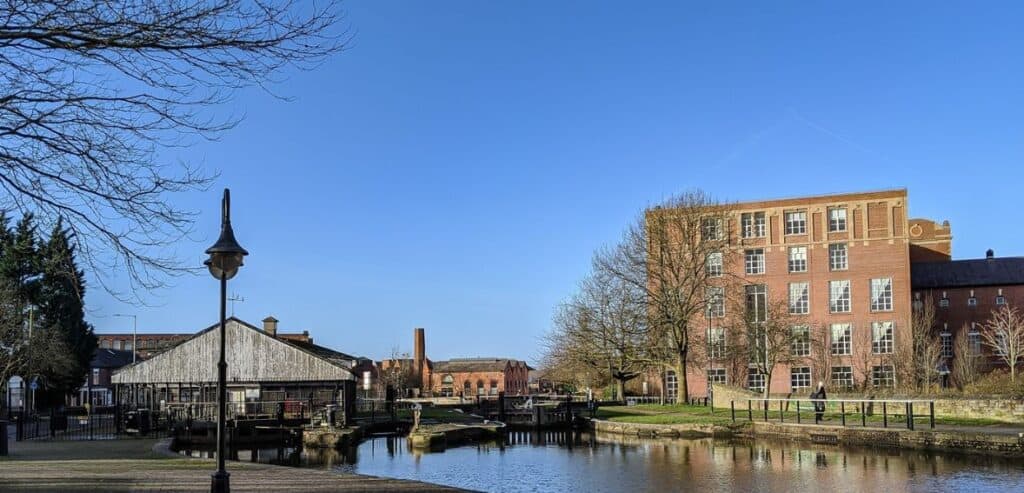
Compared to other Newark communities, Lower Vailsburg feels more like an ordinary suburban setting. The neighborhood is characterized by deeper lots, detached houses, and streets lined with trees. While staying inside the city borders, many locals appreciate the feeling of being away from more crowded areas.
Walkability is restricted to local events, not everyday errands. Driving is usually required for eating and shopping, although residents enjoy the local parks, walk their dogs, and visit their neighbors. Those who chose Vailsburg for its serene ambiance are aware of this trade-off.
Highway access helps mitigate transportation limits, but commutes are lengthier, especially for professionals heading to Manhattan. Homeowners seeking seclusion, peaceful nights, and room to expand without completely leaving Newark are drawn to Lower Vailsburg.
Springfield–Belmont: Connectivity Without Density Overload
Springfield-Belmont provides a compromise between fully residential neighborhoods and densely populated urban areas. A variety of apartment complexes and smaller residences can be found in the area, providing residents with choices according to their stage of life. With the continued return of small businesses and services, walkability is getting better.
Although the neighborhood does not yet offer the commercial density of the Ironbound or downtown, residents can manage simple errands locally. The amount of outdoor space varies; some properties have small yards. Due to bus access and proximity to major roads, commutes are comparatively efficient. Residents who desire city connectivity without being overly busy will find Springfield-Belmont appealing.
Mount Pleasant: Community-Oriented and Understated
Although it is frequently disregarded, Mount Pleasant quietly promotes a community-focused way of life. Long-term residents make up a significant portion of the neighborhood’s residential population, which adds to its sense of stability and familiarity. Compared to central Newark, this area has more yard space, which attracts families and senior citizens.
With parks and schools serving as the main hubs for foot traffic, walkability focuses more on everyday activities than entertainment. Because there are fewer direct transit options than in central areas, commutes require preparation. For those who value predictability, local relationships, and home life over convenience-driven mobility, Mount Pleasant is a good fit.
North Broadway Corridor: Transitional Energy and Potential
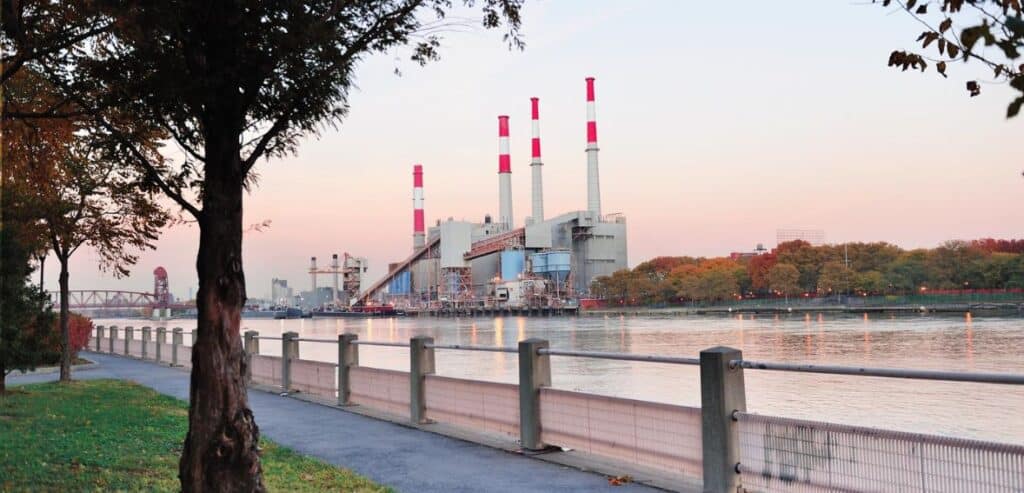
The North Broadway neighborhood is a reflection of Newark’s continuous change. Once an industrial area, it is currently experiencing a slow increase in residential development and infrastructure spending. Apartments and smaller homes with limited but expanding outdoor space are among the many different types of housing options.
Although uneven, walkability is getting better, particularly in the vicinity of transit corridors. In addition to having quieter side streets, residents can take advantage of buses and adjacent commercial areas. Renters and buyers seeking value and future potential are drawn to the area.
The proximity of transit makes commutes manageable. Residents who are at ease with change and are prepared to forgo refinement in favor of opportunity and advancement will find the North Broadway corridor appealing.
Conclusion
Newark’s appeal stems from the fact that it is not a one-size-fits-all city. The city offers a variety of lifestyle options to suit a wide range of priorities, from quiet residential neighborhoods with plenty of yard space to highly walkable neighborhoods close to transit hubs.
While some locals prefer quieter streets, outdoor space, and a greater sense of separation from everyday traffic, others value the ease of walking to work, dining, and entertainment. The ideal neighborhood depends on a number of factors, including long-term goals, family needs, and commute tolerance.
Buyers and renters can make decisions based on everyday reality rather than fleeting impressions when they are aware of the intersections between walkability, yard space, and commuting. Newark neighborhood becomes more than a place to live—it becomes a foundation for how life is experienced every day.
FAQs
Which Newark neighborhoods are best for walkability?
Downtown, the Ironbound, and parts of the University Heights area offer the highest walkability.
Where can I find the most yard space in Newark?
Neighborhoods like Lower Vailsburg, Mount Pleasant, and the South Ward typically offer more outdoor space.
Which areas are best for commuting to Manhattan?
Downtown Newark and the Ironbound provide the fastest access via NJ Transit and PATH connections.
Is Newark suitable for families looking for long-term stability?
Yes. Several residential neighborhoods offer space, schools, and community-oriented environments.
How important is lifestyle fit when choosing a Newark neighborhood?
Lifestyle fit is critical. Matching daily routines, commute tolerance, and space needs leads to better long-term satisfaction.